Skip to Content
Product galleryChoose a photo for details
WATCH

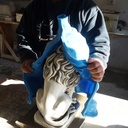
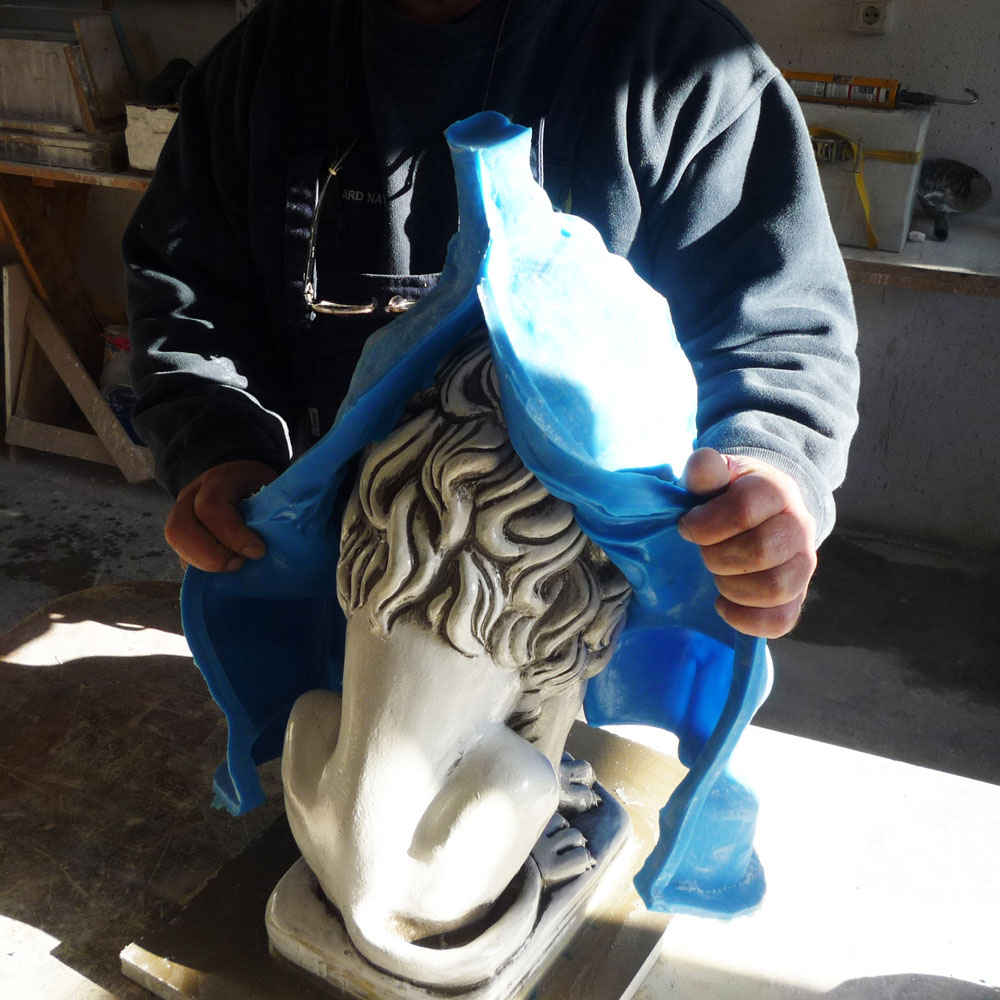
See the product in use

Documente tehnice

ZA-22-MOULD-BASE_RO_8_19.05.25_S.PDF ZA-22-MOULD-CAT_RO_8_19.05.25_S.PDF ZA 22 MOULD technical data sheet ING.pdf

Technical specifications

Base : catalyst ratio (by weight)100 : 100
Viscosity before mixing4,000 ± 300 cP
Working time at 23 °C14–17 minutes
Curing time at 23 °Capprox. 1–1.5 hours
Hardness after 24 hours21 ± 2 Shore A
Elongation at break380 ± 20%
Dimensional change after 24 hoursmax. 0.05%

Specificatii

Manufacturer Zhermack
HELP FOR YOUR PROJECT

Ask a specialist

Tell us what you want to make, and we will help you choose the right material.

Talk to a specialist

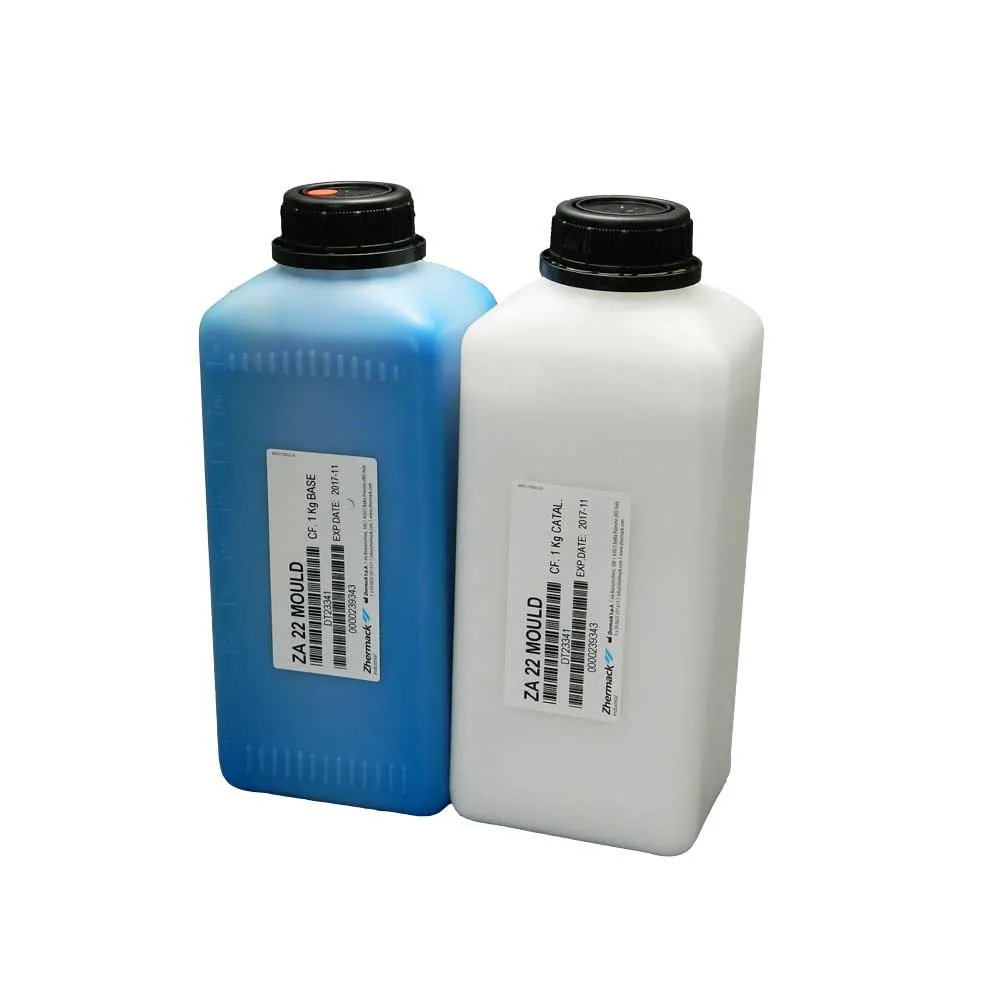
Silicone RTV ZA 22 Zhermack for flexible moulds and reproduction details of 2 microns

ANNEX 22 Zhermack is a silicone rubber liquid RTV2, two-component, based on addition, intended to make Flexible moulds for fine detail models and complex geometry.

It is one of the most versatile and used silicones in the Best TOOLS range, due to the balanced combination of flexibility, mechanical strength, fluidity and dimensional stability.

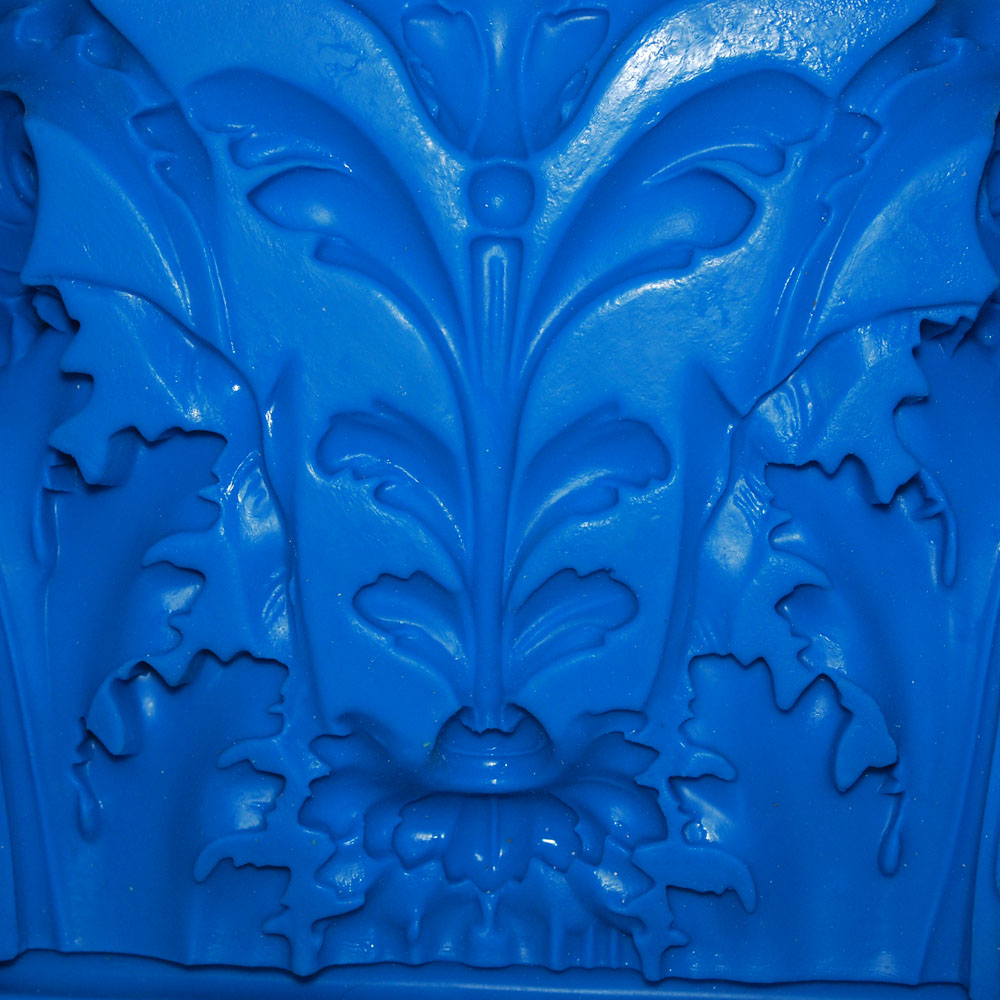
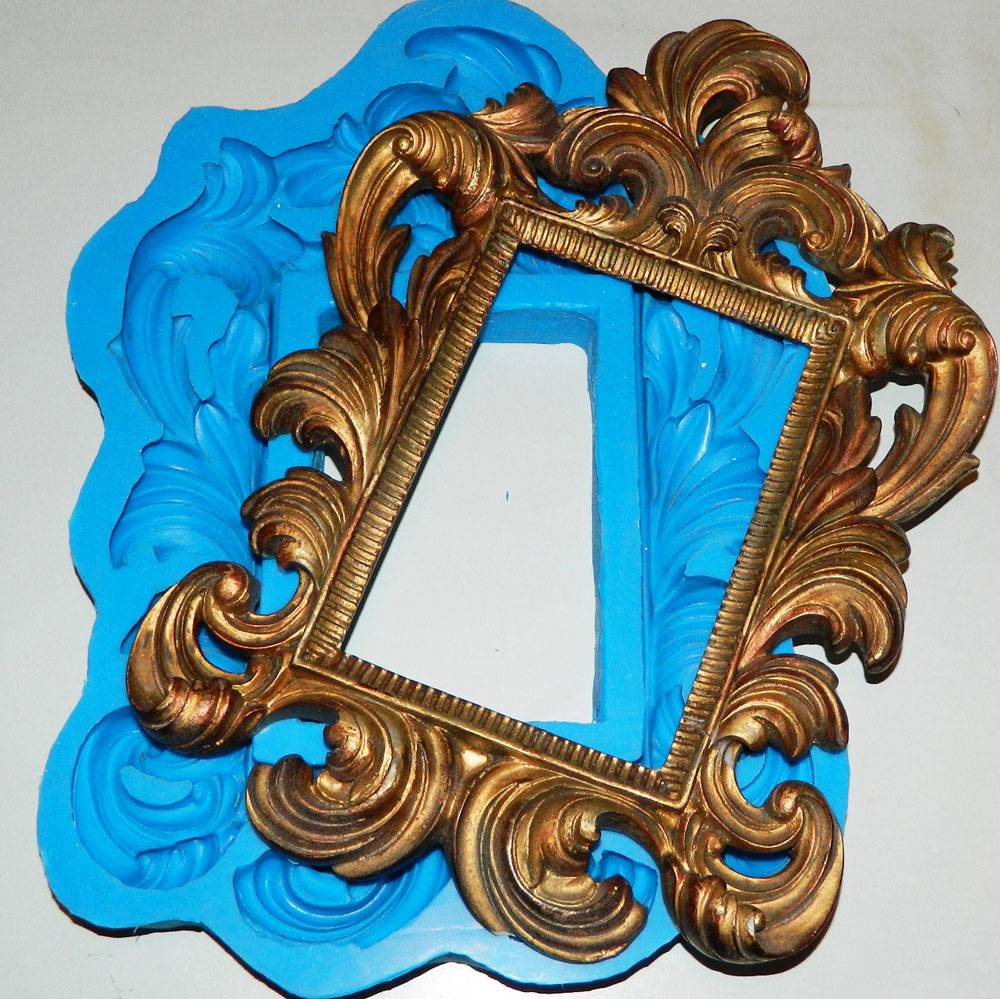
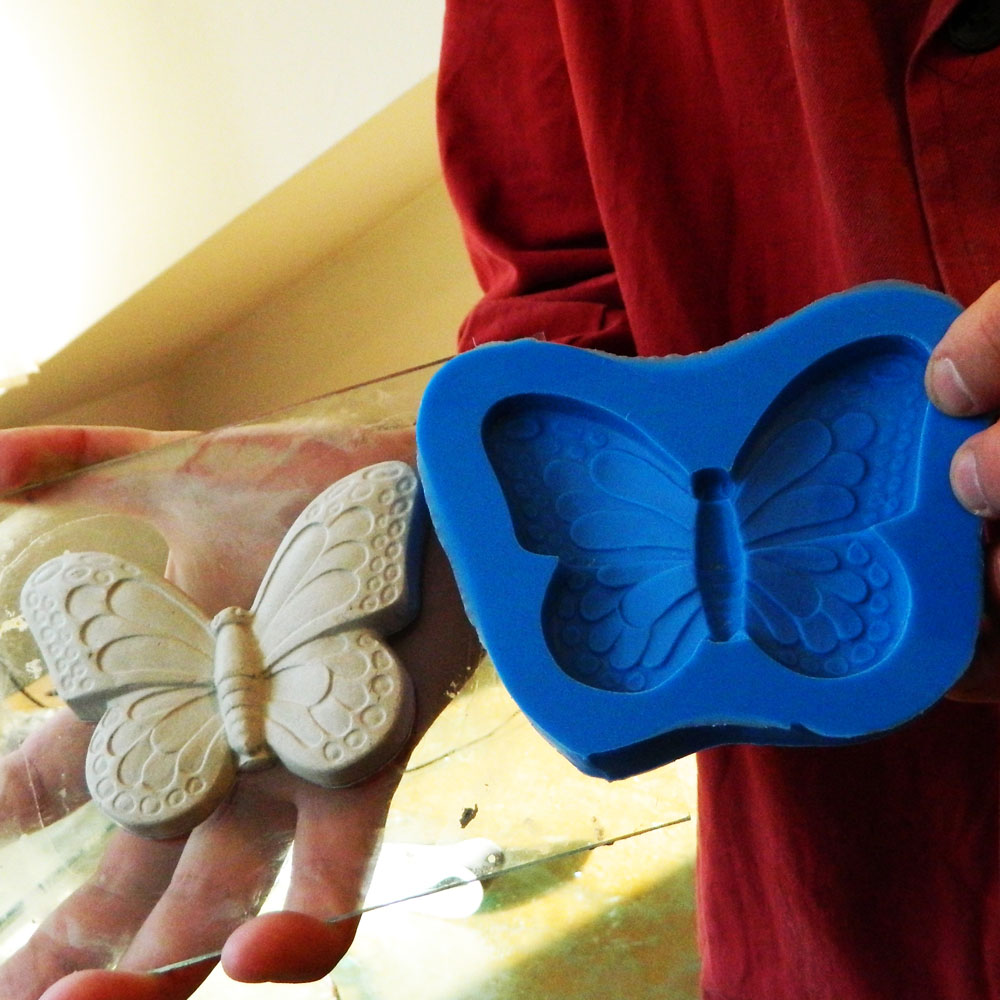
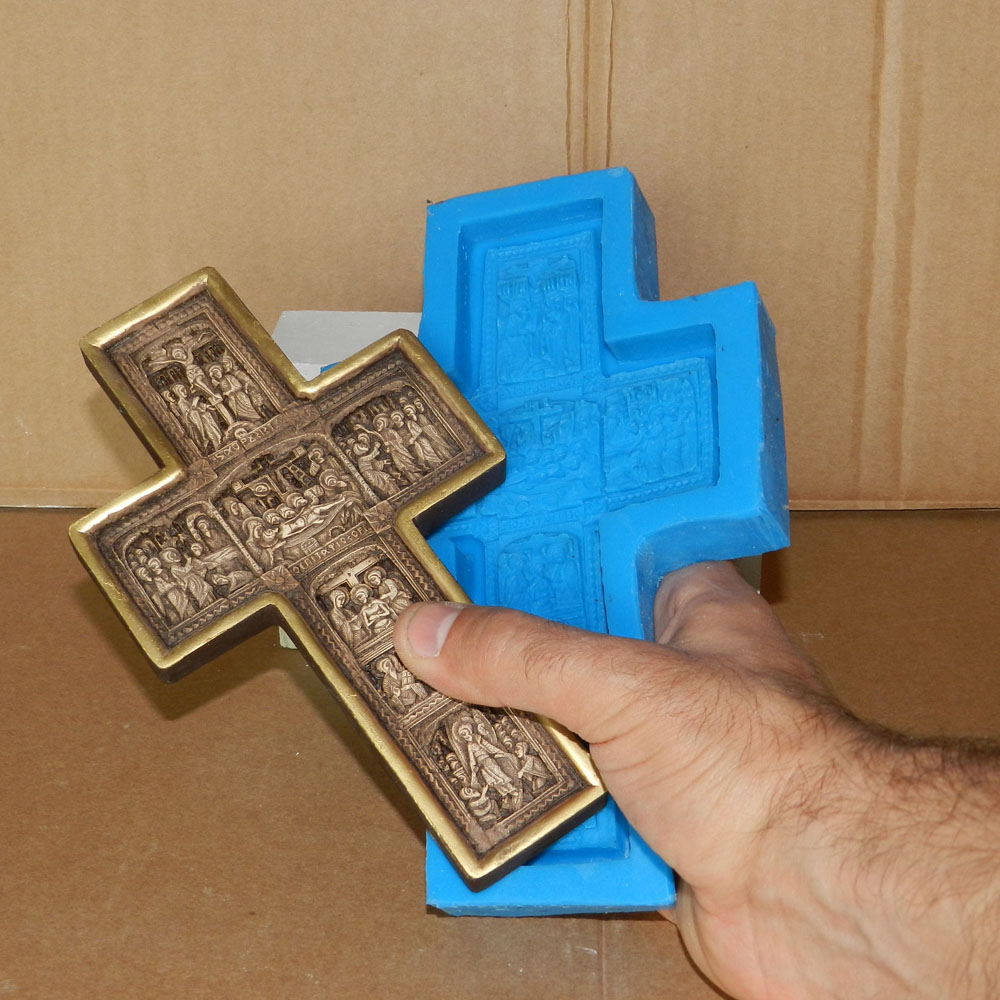
One of the most important advantages of ZA 22 is the ability to reproduce details up to 2 microns. This characteristic recommends it for patterns where texture, edges, engravings, inscriptions and very small details must be transferred precisely to the mould.

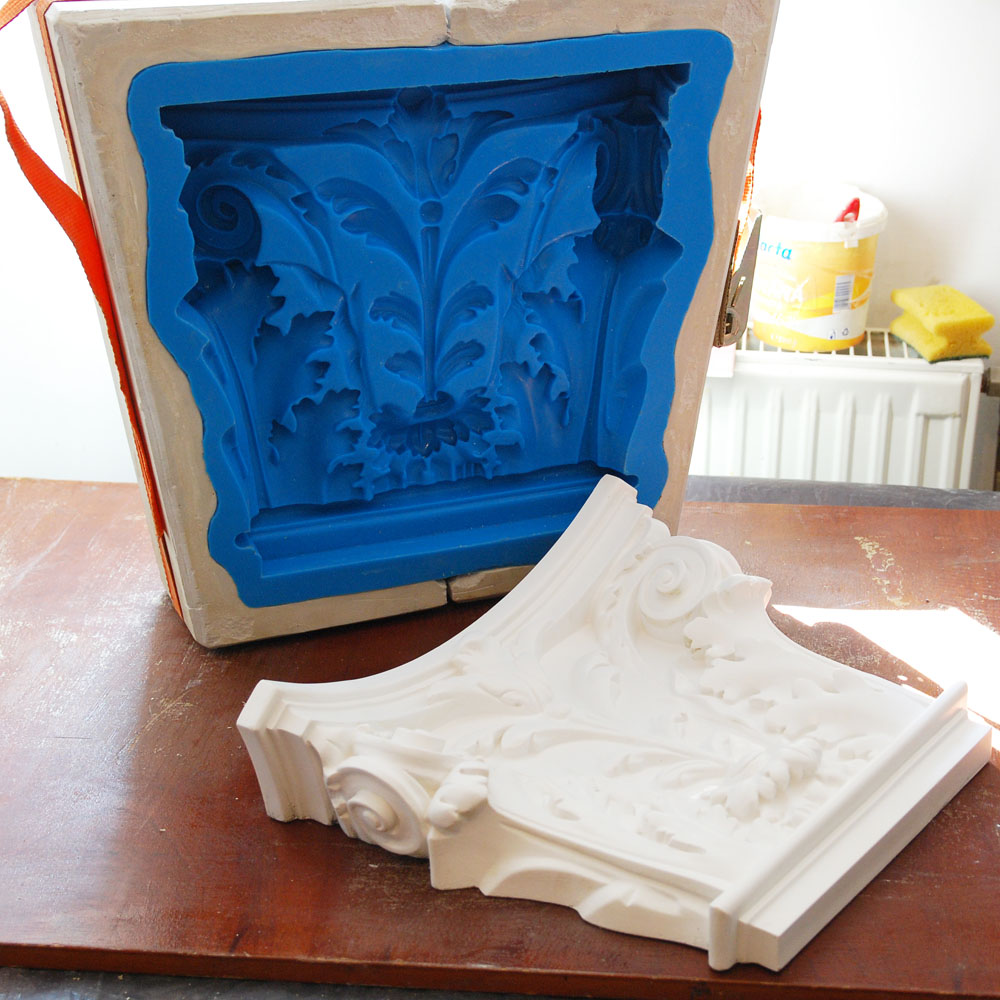
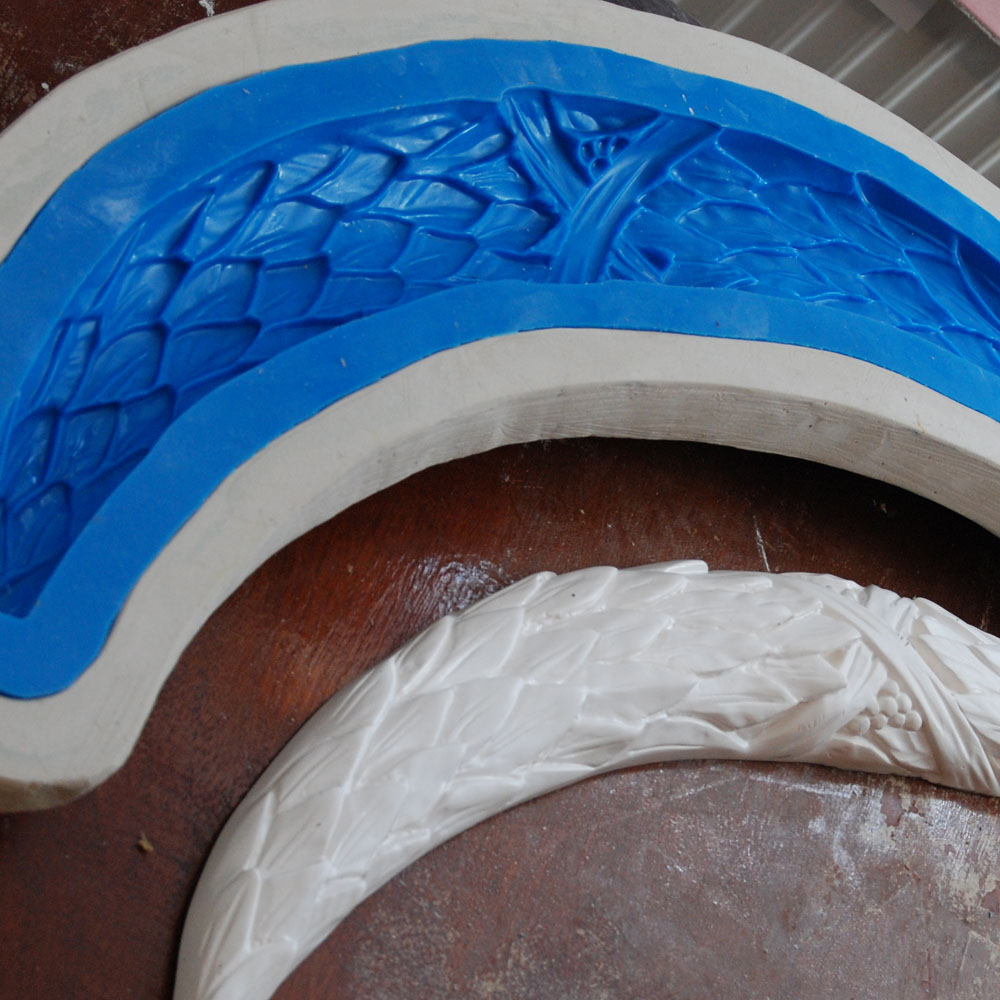
Best TOOLS recommends ZA 22 as general silicone for making the molds used for casting of plaster, cement, Acrylic One, polyurethane resins Multicast, wax, soap and other compatible materialsThe final choice is made according to the geometry of the model and the estimated number of reproductions.

Extremely fine reproduction of details - up to 2 microns

Zhermack declared for ZA 22 a reproduction capacity of 2 microns.

This is one of the characteristics that differentiates the product in the applications where the original model contains textures, engravings, inscriptions, reliefs or very fine geometric elements.

In practice, this precision allows the production of molds that take over very faithfully the surface of the original model, provided that the model is properly prepared and the cast of the silicone is properly achieved.

Dimensional stability - molds that can be stored for subsequent uses

The dimensional variation declared by Zhermack after 24 hours is only -0,05%.

This dimensional stability is very important when the same mould should be used again after long storage periods.

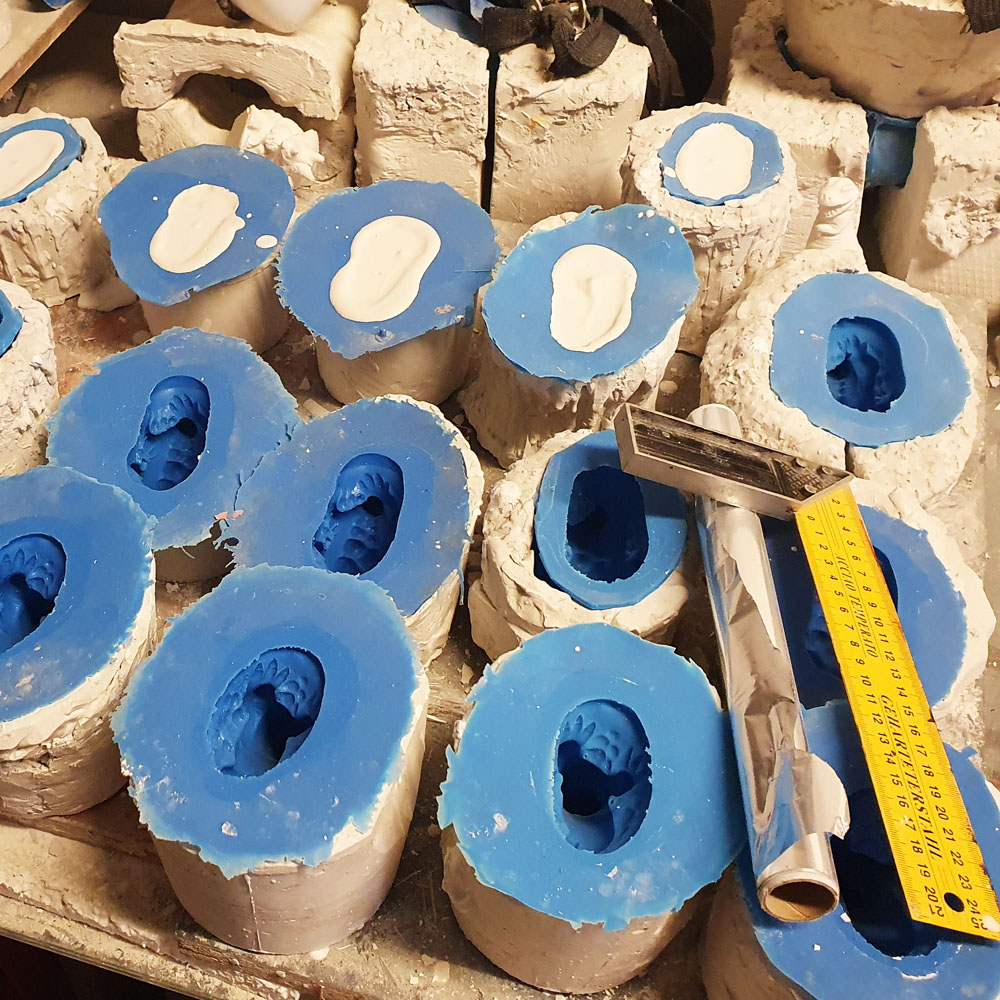
In Best TOOLS practice, such moulds are sometimes called "library moulds": the mould is made, used, then stored for future projects, keeping geometry and initial dimensions very well.

This is particularly important for the reproduction of ornaments, technical models, decorative parts or elements that must be remade with the same geometry.

Recommended applications

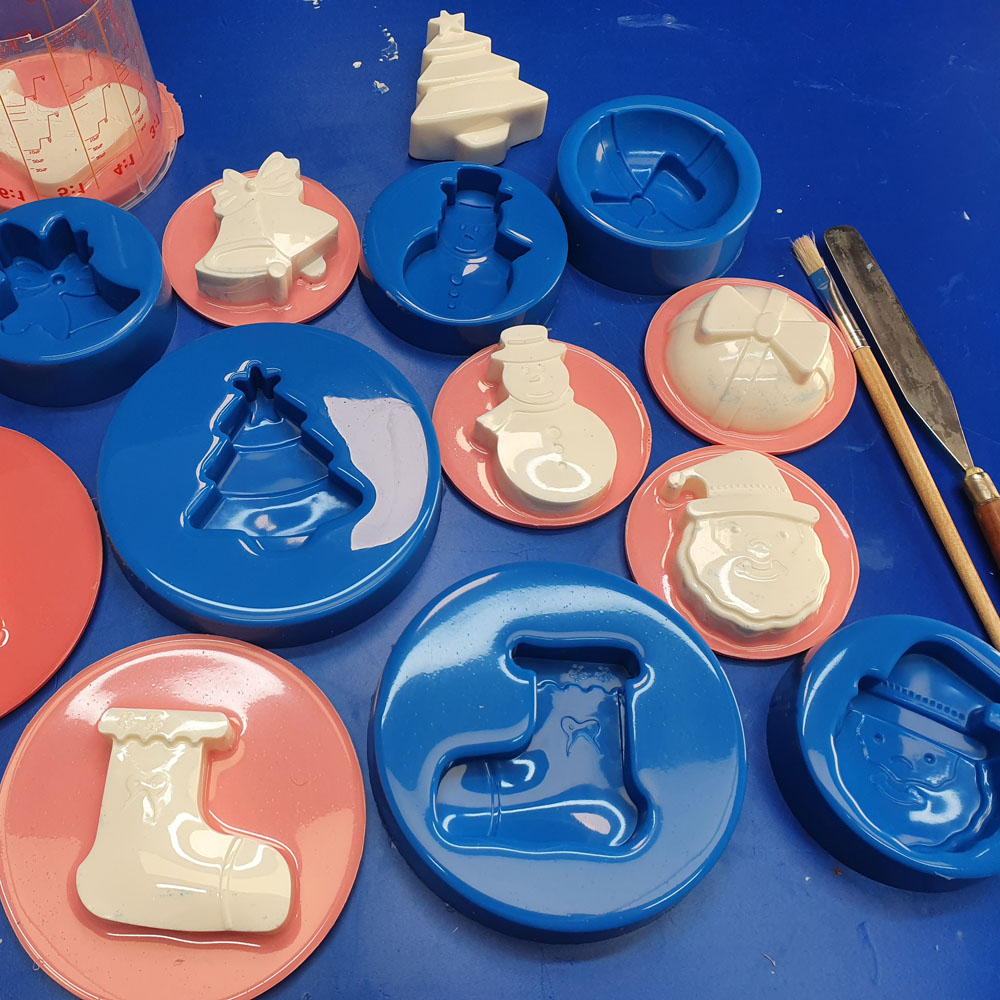
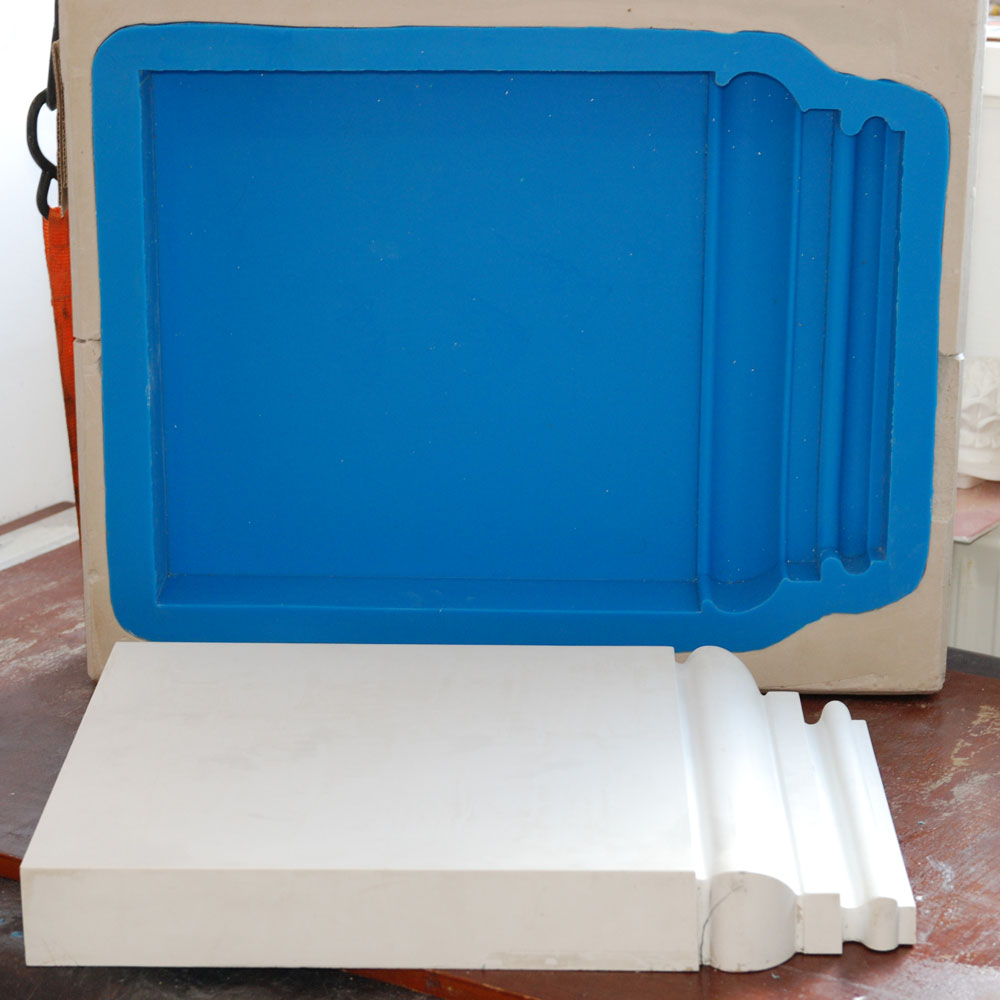
Plaster moulds

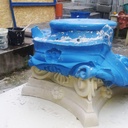
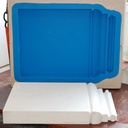
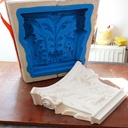
ZA 22 is one of the main recommendations for Best TOOLS molds for ironing plaster.

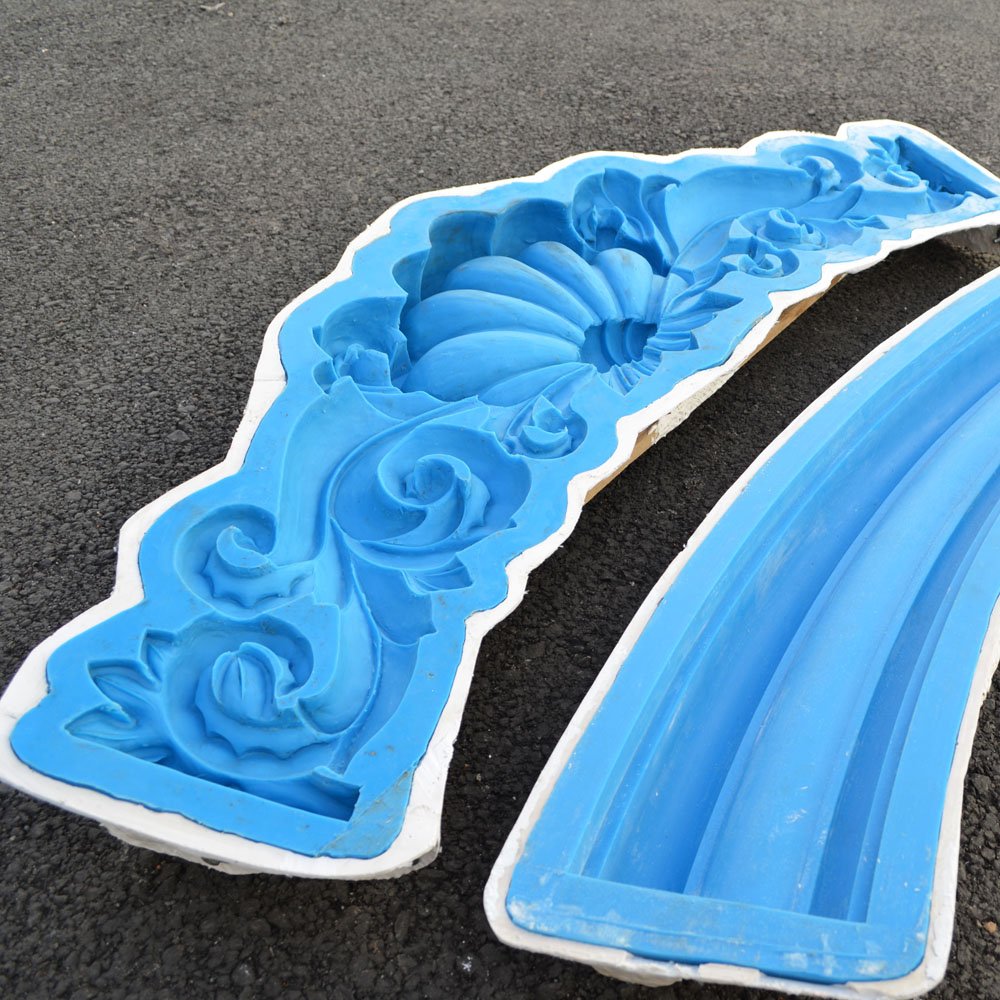
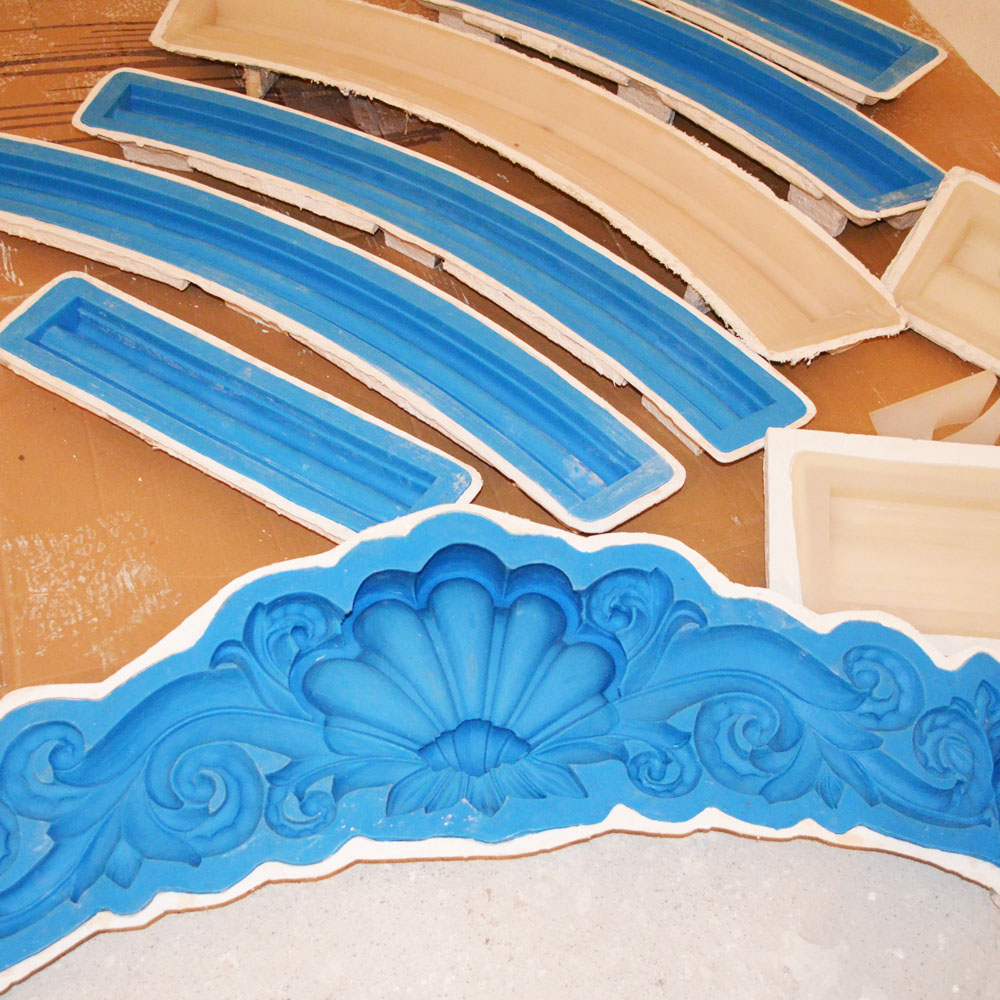
The combination of flexibility, laceration resistance and dimensional stability allows repeated use of the mould, including for decorative models with details and reliefs.

mould for cement and mineral materials

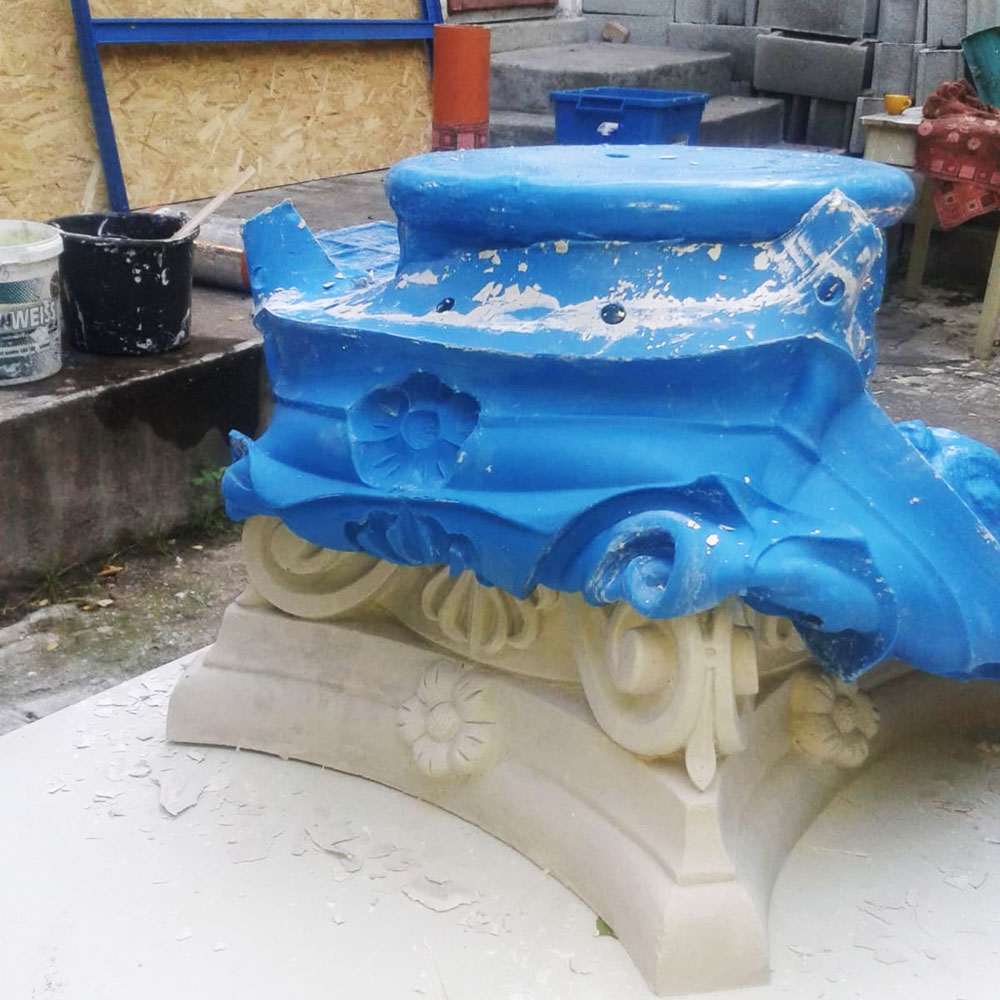
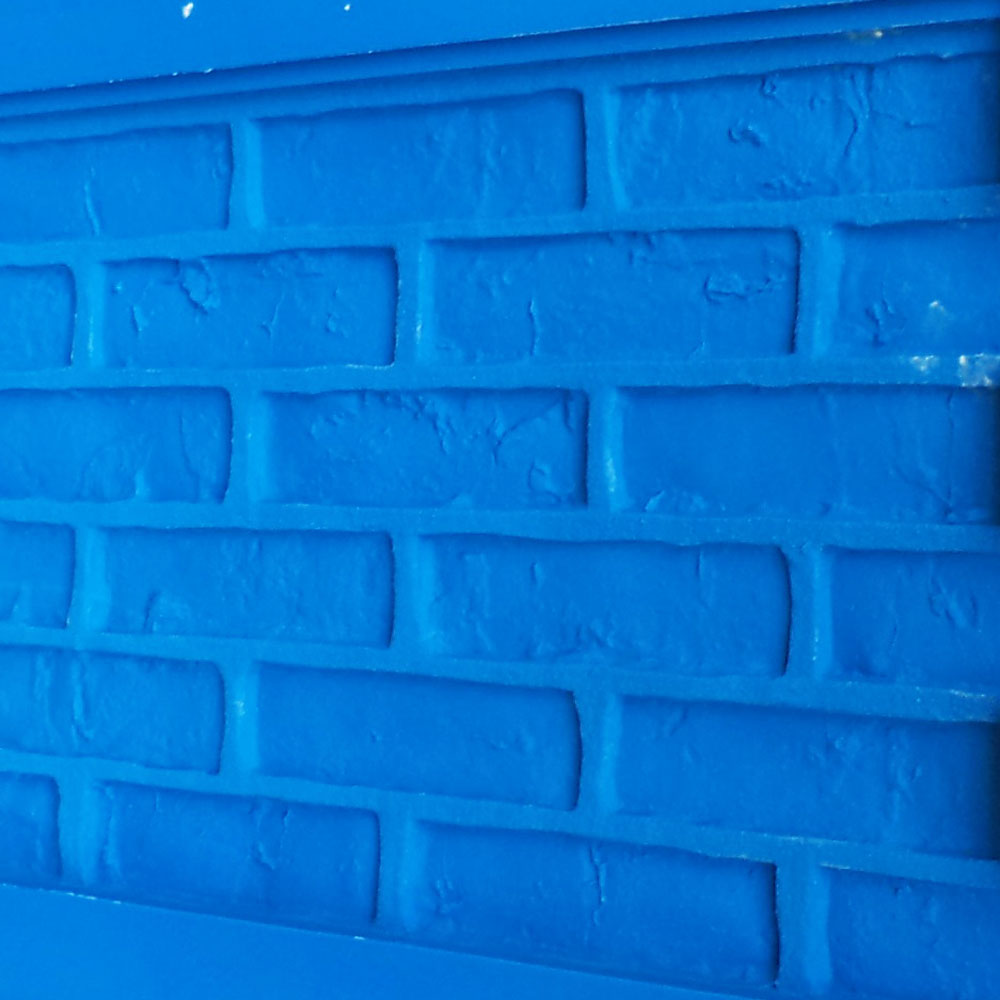
ZA 22 is also commonly used to make Flexible moulds for cement and other mineral materials.

Flexibility of the mould facilitates the demoulding of decorative elements, ornaments and relief shapes.

mould for Acrylic One

ZA 22 is successfully used by Best TOOLS clients to pour the system Acrylic One.

For Acrylic One applications, a correctly designed and executed ZA 22 mould can offer a very large number of usage cycles.

Multicast polyurethane resins

ZA 22 is commonly used with Multicast polyurethane resins marketed by Best TOOLS.

However, polyurethane resins require the surface of the mould different from plaster, cement or Acrylic One. During repeated use, resin can gradually penetrate the Silicone surface microstructure, which contributes over time to the degradation of the mould.

For this reason, the number of reproductions obtained with polyurethane resins is generally lower than with mineral materials or Acrylic One.

Cereal moulds and soap

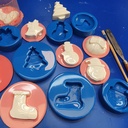
ZA 22 can also be used to make molds for wax and soap.

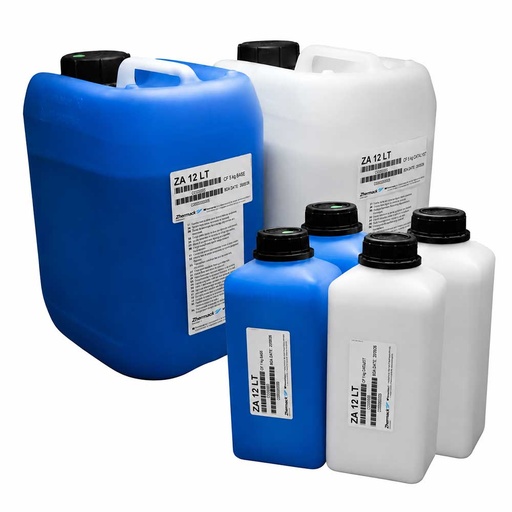
For very delicate parts or applications where a softer mould is required, Best TOOLS can recommend a silicone with lower Shore A hardness, such as ZA 12 LT. ZA 22, however, remains a versatile solution when a balance is sought between flexibility and mechanical strength.

Modelism and molds for complex geometry

Zhermack indicates ZA 22 for mould-making and model-makingdue to the precise reproduction, dimensional stability and mechanical resistance.

It is suitable for models with small retention, reliefs and complex geometry that require mould deformation during demoulding.

Decorative ceramic

ZA 22 is recommended by the manufacturer and decorative ceramicswhere the precision of reproduction and mechanical strength are important criteria.

Practical advantages ZA 22

Reproduction up to 2 microns
It allows very precise copying of the textures, reliefs, engravings and fine details of the model.

Balanced hardness - 21 ± 2 Shore A
It offers a very good compromise between the flexibility needed to emulate and the mechanical strength of the mould.

High tensile strength
The declared value is over 20 ± 1 N / mm, the important feature for the molds used repeatedly.

Landing at break 380 ± 20%
Allows the mould to deform during the demoulding of complex models.

Dimensional variation of only -0.05%
It contributes to maintaining the geometry of the mould and to the repeatability of the reproduced parts.

High fluidity
Helps the silicone penetrate into fine details and cavities of the model.

Very good anti-adhesion effect
The manufacturer mentions an excellent anti-stick effect of vulcanized silicone.

Aging resistance
Zhermack mentions stability in time and resistance to aging and high temperatures.

Main technical characteristics

  • Type: Silicone rubber addition-cure RTV2, two-component
  • Mixing ratio: 1:1
  • Vascosity of the mixture: 4000 ± 300 cP
  • Density: 1,15 g / cc
  • Mixing time at 23 ° C: about 1 minute
  • Working time at 23 ° C: 14 - 17 minutes
  • curing time at 23 ° C: approximately 60 minutes
  • hard after 24 hours: 21 ± 2 Shore A
  • Traction resistance: 4.0 ± 0.2 N / mm ²
  • Landing at break: 380 ± 20%
  • Resistance to laceration: > 20 ± 1 N / mm
  • Reproduction of details: 2 microns
  • Dimensional variation after 24 hours: -0,05%

Temperature influence on working time

Temperature directly influences the reaction velocity of ZA 22.

Temperature more than 23 ° CWork time and curing time are reduced.

Temperature less than 23 ° C, working time and curing time increase.

Zhermack mentions, as an example, that at about 40 ° C the working time can be reduced by approximately half, and at very low temperatures the times can increase considerably.

For this reason, for repeatable results it is recommended to process the material under controlled temperature conditions.

Complete an additional silicone mould

If the material originally prepared is not sufficient to complete the mould, Zhermack indicates the possibility of letting the first silicone become semi-reinforced and then add additional material.

The addition should be made within the range indicated by the manufacturer, up to 24 hours after the first casting has been cured.

The newly adhered material can bind to the silicone already cured without altering the final result.

Compatibility

According to Zhermack documentation, ZA 22 is compatible with:

  • gypsum;
  • coatings;
  • Polyurethane resins;
  • Acrylic resins.

In Best TOOLS practice, ZA 22 is commonly used with plaster, cement, Acrylic One and Multicast polyurethane resins.

Best TOOLS Available Packages

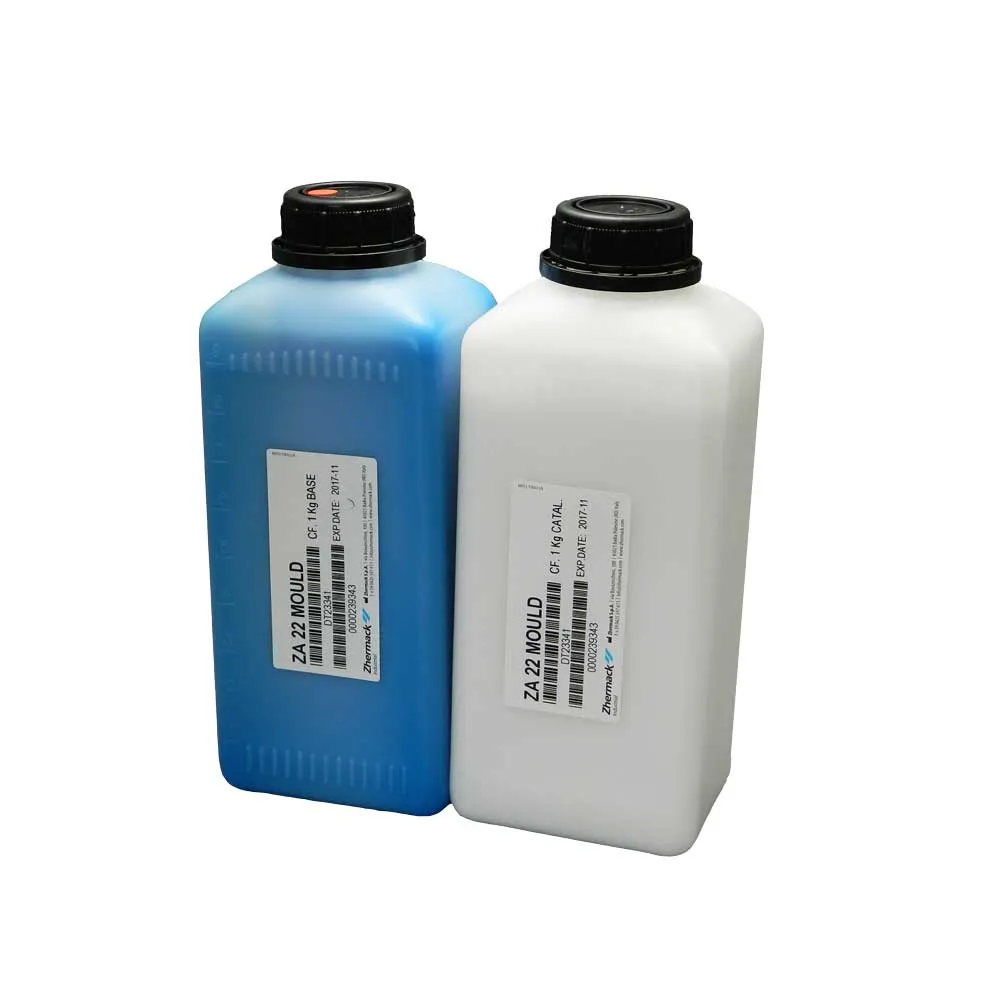
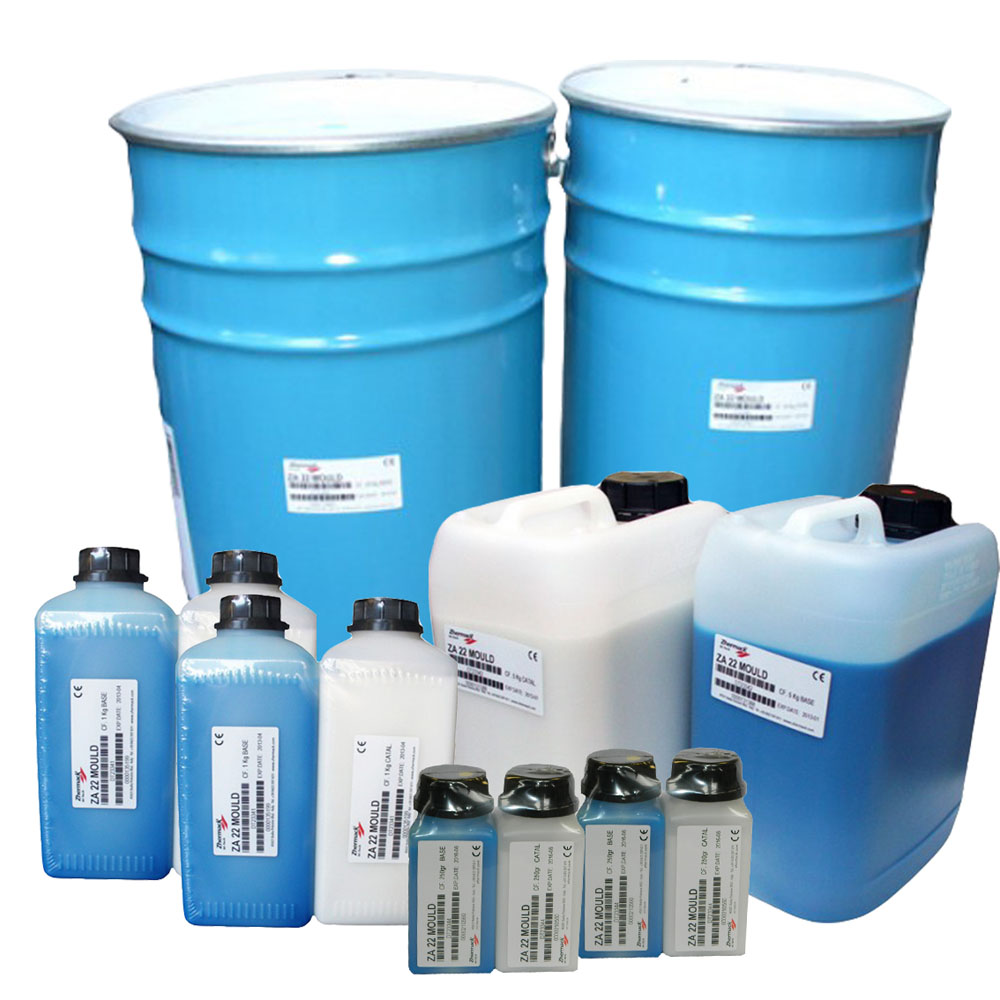
ZA 22 is marketed by Best TOOLS as a complete kit, base + catalyst:

  • Kit 2 kg
  • Kit 10 kg
  • Kit 50 kg

The quantity indicated is the total amount of material received by the customer.

Recommended complementary products

  • Polyurethane resin Multicast - frequently used with ZA 22 moulds to pour rigid parts.
  • Acrylic One - system commonly used in ZA 22 moulds for decorative and technical elements.
  • Moulding agent - recommended especially for applications with resins and repeated cycles.
  • Vacuum room and vacuum pump - useful for reducing the air in silicone.
  • Precision scale - for proper compliance with ratio 1: 1.
  • Mixed containers and spatulas - for dosing and mixing of the two components.
  • Sulphur-free modeling plastic - useful for preparing models and making certain types of moulds.

Common questions about ZA 22

Conclusion

ANNEX 22 Zhermack RTV2 silicone is a balanced and versatile addition, designed for flexible moulds with high precision and good mechanical strength.

Capacity to reproduce details up to 2 microns level, dimensional change of only -0,05%, hardness of 21 ± 2 Shore A and high laceration resistance make it suitable for a very wide range of professional applications.

For Best TOOLS clients, ZA 22 represents one of the main choices for molds intended ipsos, cement, Acrylic One and Multicast polyurethane resinsas well as for decorative designs, complex geometry and pieces with very fine details.

For technical product indicators please visit the "Specifications" table and for work examples the "Video" table.

Instructions for use ZA 22

Before use, mix the base and catalyst separately to avoid the effects of possible sedimentation.

Weigh equal amounts of the two components and respect the mixing ratio 1:1.

Mix approximately vigorously 60 secondsUntil the color becomes completely uniform.

Carefully check the bottom and walls of the container to avoid areas with unmixed material.

After mixing, pour the silicone slowly, preferably from one point. Zhermack recommends pouring from about 30 cm model girl.

When possible, the manufacturer recommends release of mixture in vacuum to reduce air bubbles.

At 23 ° C, the working time is approximately 14 - 17 minutes, and the curing time is about 60 minutes.

Important limitations and recommendations

Follow mixing ratio 1: 1. An incorrect ratio may alter the reaction times and final properties of the material.

The surfaces with which the silicone comes into contact must be clean, dry and free of fat.

For a mould with a good duration of use, silicone thickness should be adapted to the model size and geometry.

When emulating, avoid using sharp objects or tools that can cut or damage the surface of the mould.

If necessary, the manufacturer recommends using compressed air between the model and the mould to facilitate demoulding.

Storage and term of validity

ZA 22 has a declared validity term of 18 monthswhen stored correctly at temperatures between 5 ° C and 27 ° C.

After use, the containers should be tightly closed.

Do not reverse the caps between the base and catalyst container to avoid contamination of the components.

Preparation and application

  1. Mix the base and catalyst separately until uniform before weighing. The model must be clean, dry and free of grease; substances containing sulphur may inhibit curing.
  2. Weigh equal amounts: 100 parts base and 100 parts catalyst. Do not alter the catalyst quantity to speed up or slow down curing.
  3. Mix thoroughly until uniform, including the sides and bottom of the container. Avoid leaving any unmixed areas.
  4. Pour in a thin stream into one corner of the mould and allow the material to cover the model gradually. The data sheet recommends vacuum degassing to reduce bubbles.
  5. Observe the product-specific times and the temperatures at which they are specified. Demould after curing without forcing the mould or using sharp objects.
  6. Close containers tightly after use and do not swap the base and catalyst lids.

Consult the safety data sheet and batch label before use.

Frequently asked questions

What is ZA 22 silicone?

ZA 22 MOULD is a addition of silicone RTV consists of two components: base and catalyst. The two components are mixed in equal proportions, in ratio 1:1And vulcanization occurs at ambient temperature.

The product has a high fluidity before vulcanization, which allows the silicone to penetrate into reliefs, cavities and fine details of the model.

After curing, ZA 22 forms an elastic mould with hardness of 21 ± 2 Shore A, flexible enough to demulate complex geometry, but at the same time with high mechanical strength for repeated use.

Why is ZA 22 one of the most versatile silicones for moulds?

ZA 22 occupies a very balanced area as hardness and mechanical behavior. The mould obtained is not extremely soft, but neither rigid, which allows the use of the product within a wide range of applications.

For this reason, ZA 22 is the choice of Best TOOLS for many general applications to make the moulds, including:

  • models with very fine details;
  • models with complex retention and geometry;
  • ornaments and decorative elements;
  • Reproductions of plaster;
  • casting of cement and mineral materials;
  • moles from Acrylic One;
  • molding of Multicast polyurethane resins;
  • wax and soap moulds;
  • modeling and prototyping;
  • Decorative pottery.
How many reproductions can be obtained from the ZA 22 mould?

This is one of the most common questions received by Best TOOLS.

Number of reproductions is not a fixed value And it depends on the cast material, the geometry of the piece, the thickness of the mould, the demoulding mode, the temperature and the way the mould is made and maintained.

Best TOOLS experience accumulated in the use of ZA 22:

  • for plaster, cement and Acrylic Oneproperly designed and properly thickness moulds can achieve hundreds of reproductions and, in certain applications, even thousands of reproductions;
  • for polyurethane resins, the operating time is usually shorter, and in many applications are obtained approximately 40 - 50 reproductions.

These values represent Best TOOLS practice experience and does not constitute a guarantee regarding the exact number of cycles, as working conditions may vary significantly from one application to another.

Why do polyurethane resins use the mould faster?

During repeated casting cycles, polyurethane resin can gradually penetrate the microstructure of the silicone surface.

After hardening, traces of resin remaining in these areas can interact with molten material at the following cycles, which contributes progressively to the adhesion and degradation of the surface of the mould.

From Best TOOLS experience, correct use of a Distilling agent and a well-degassed silicone mould can help prolong the duration of use, but does not completely remove this wear mechanism.

How fine are the details that ZA 22 can reproduce?

ZA 22 can reproduce up to 2 micronsaccording to the technical data declared by Zhermack.

ZA 22 is suitable for plaster moulds?

Yeah. It is one of the main recommendations of Best TOOLS for making flexible moulds for ironing plaster.

Can I pour cement into ZA 22 moulds?

Yes. ZA 22 is used in practice for moulds for cement and other mineral materials, especially decorative elements and relief shapes.

ZA 22 is right for Acrylic One?

Acrylic One is one of the materials commonly used by Best TOOLS clients along with the moulds made from ZA 22.

Can I pour Multicast polyurethane resin into ZA 22?

Z.22 is frequently used with Multicast polyurethane resins. However, it should be borne in mind that polyurethane resins produce more wear of the mould over time than plaster, cement or Acrylic One.

How many snitches can they do with a ZA 22?

The number depends on material, geometry, mould thickness and usage. From Best TOOLS experience, for plaster, cement and Acrylic One can be obtained hundreds and, under certain conditions, even thousands of reproductions. For polyurethane resins, about 40 to 50 reproductions are obtained in many applications.

What is a dimensional variation of -0.05%?

It means that the dimensional modification of Silicone after vulcanization is very low. This feature contributes to the reproducible reproduction of parts and allows the preservation of the mould for subsequent uses.

What's a library mould?

It is a practical name used for moulds that can be stored and reused after long periods, keeping geometry very well. High dimensional stability of ZA 22 makes it suitable for such applications.

What's your working time?

At 23 ° C, the declared working time of Zhermack is 14 - 17 minutes.

How long before ZA 22 hardens?

At 23 ° C, the declared curing time is approximately 60 minutes.

Is vacuuming mandatory?

Not mandatory in all applications, but Zhermack recommends vacuuming the mixture when possible to reduce inglobat air.

What is the mixing ratio?

Base : catalyst ratio (by weight): 100 : 100.

How much working time is available?

Working time at 23 °C: 14–17 minutes.

How long does curing or demoulding take?

Curing time at 23 °C: approx. 1–1.5 hours.

What is the material's hardness?

Hardness after 24 hours: 21 ± 2 Shore A.

Recenzii

5.0 / 5 48 reviews
Vasiliev Adina Vasilica

E un silicon foarte bun. Recomand

Adriana Ihnatisin

Produs conform descrierii

Dana 

Recomand sa se amestece cu cel portocaliu pt o semi-elasticitate! Foarte bune produse!

Cristian

Suport client 10* Am cumparat acest produs / calitate f buna! Atentie sa nu faceti greseala mea! Peretii matritei sa fie undeva la 5mm - eu am turnat 20mm si abia am scos piesa :))

Zoltán Kiraly

Multumit. Este un produs bun.

Adrian Ionita

cel mai bun silicon cu care am lucrat pana acum. recomand. merita

Emil Ciubotaru

Bună seara! Matrițele din acest silicon de adiție, sunt excelente! Va rog frumos să-mi spuneți care este cea mai indicată rășină pentru turnat în aceste matrite, pentru a prelungi viața acestora. Mulțumesc Buna ziua, Rasina care nu afecteaza matritele de silicon este Acrylic ONE. Cu aceasta rasina matritele flexibile din silicon rezista la sute si mii de turnari.

dan cheran

De 15 ani comand acest produs la d-voastră sunt super mulțumit, nota 10 din 10.

Laura Soneriu

Super produs! Copiază cu exactitate și cea mai mica amprenta! Preferatul meu in materie de silicon! Calitate excelenta ca toate produsele BestTools!

Cojocar Alexandru

Un produs de o calitate exceptionala. Folosit impreuna cu agentul Thixo se obtine o pasta densa (de consistenta untului), foarte usor de lucrat cu pensula/cutit de pictura, cu o stabilitate extraordinara la aplicare pe planuri verticale. Un mare avantaj este maturarea rapida ( aprox 1 ora) a produsului astfel incat se poate turna in aceasi zi.
Autentifica-te pentru a scrie o recenzie

Specifications

Ambalare (kg) 2 kg, 10 kg, 50 kg, 400 kg
Manufacturer Zhermack