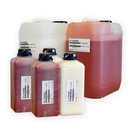
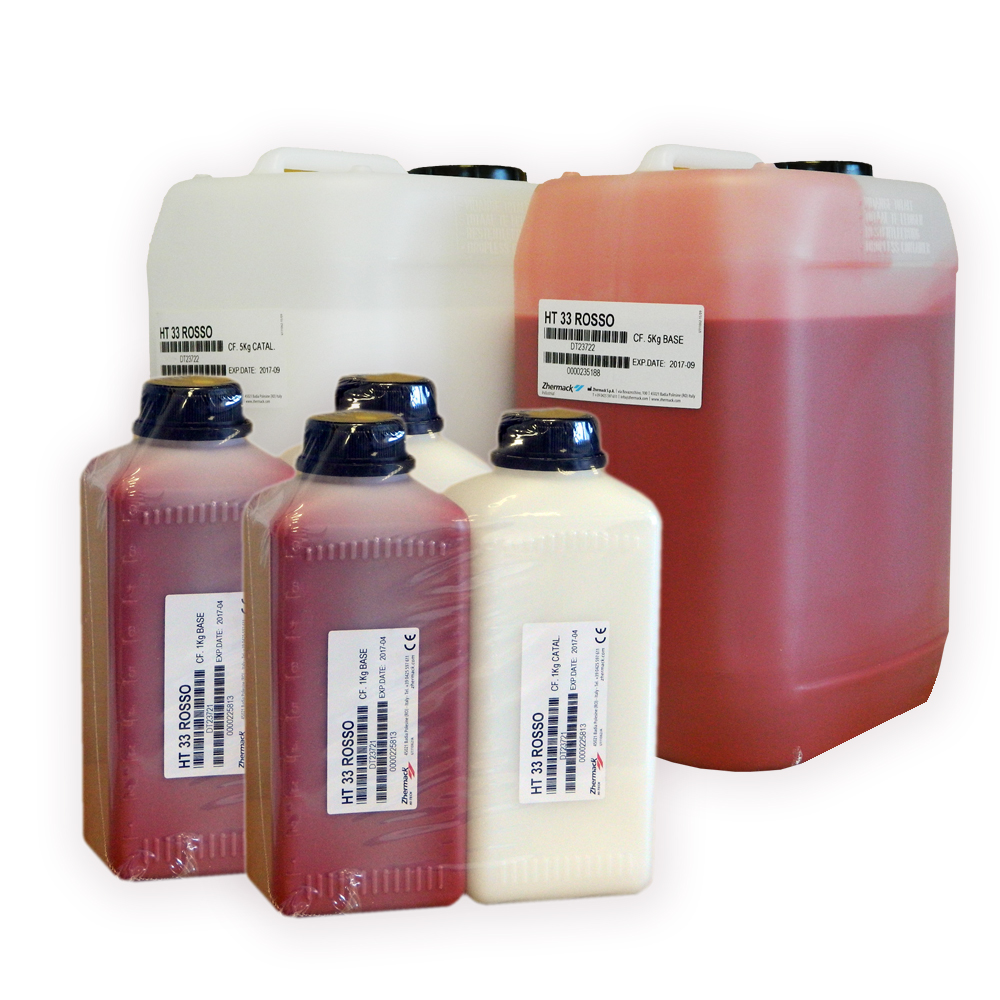
HT 33 RED Zhermack - Silicone liquid rubber RTV2 aditie, 33 Shore A
Silicone RTV2 red for flexible moulds and applications where visual contrast is important
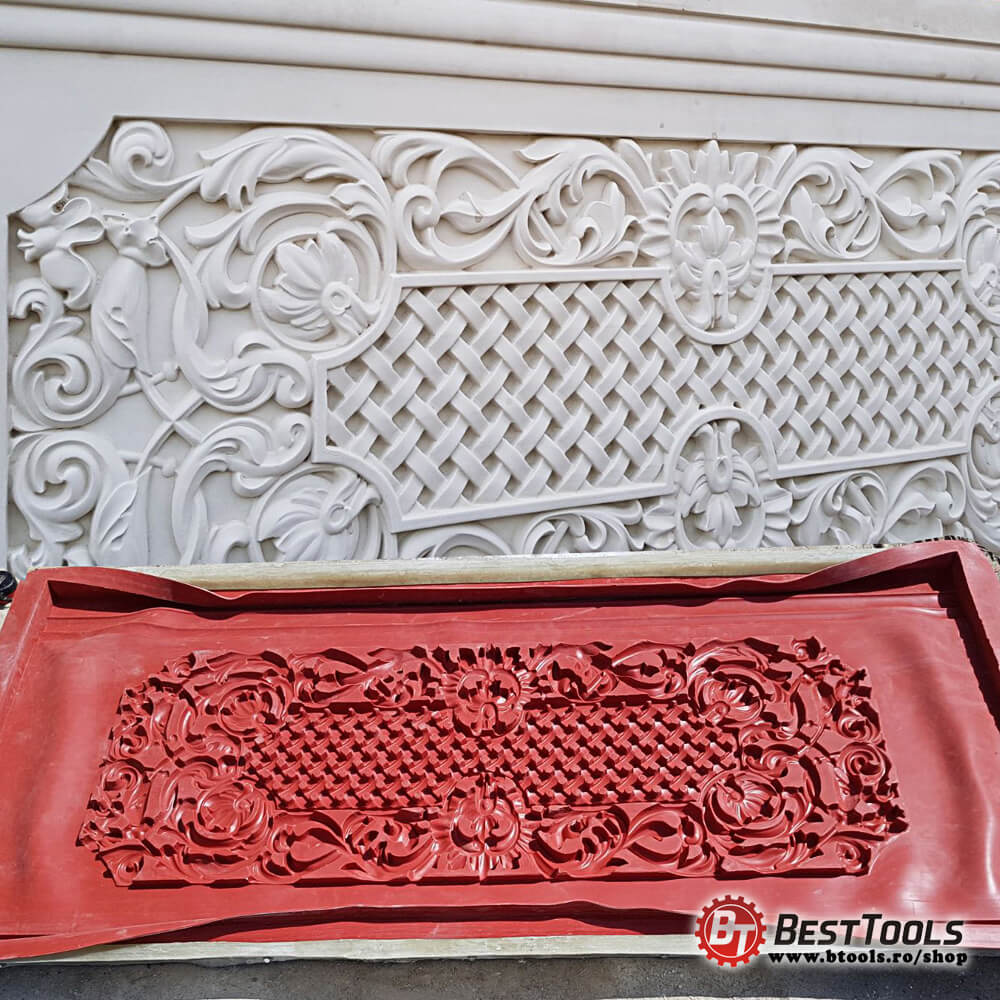
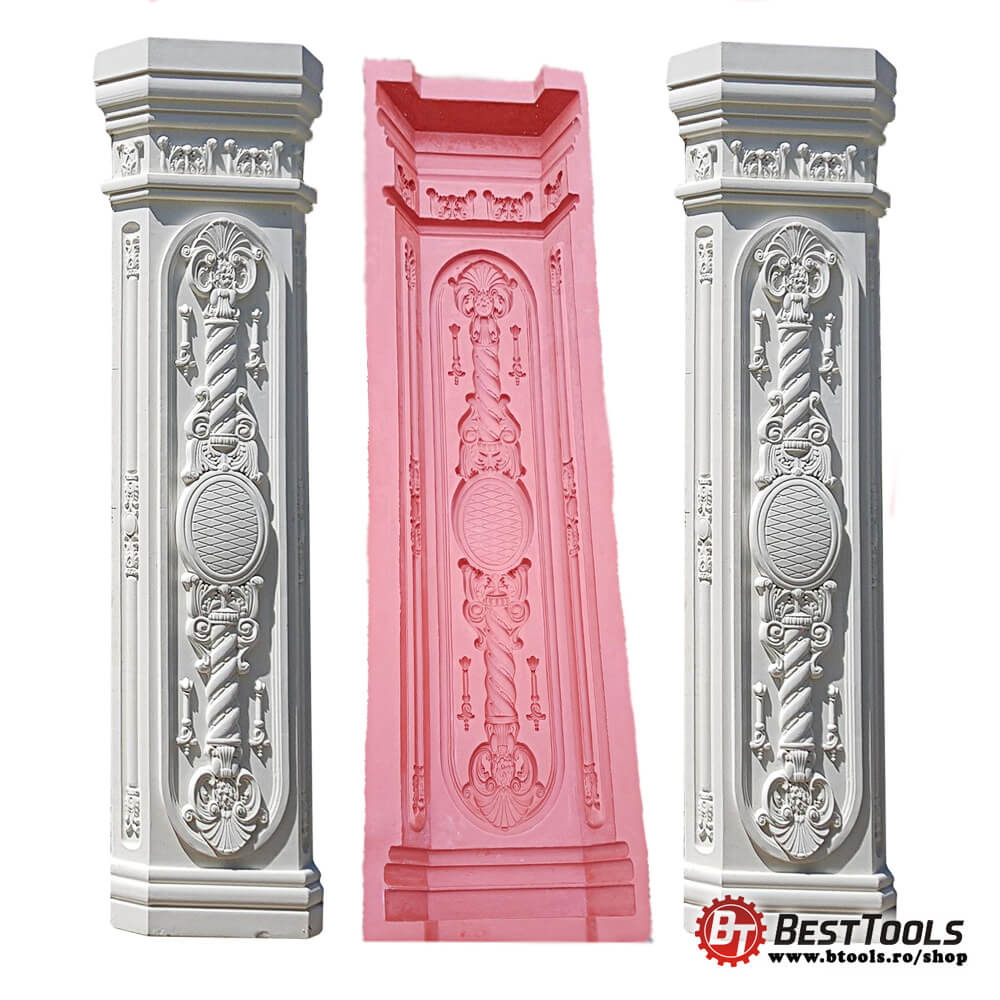
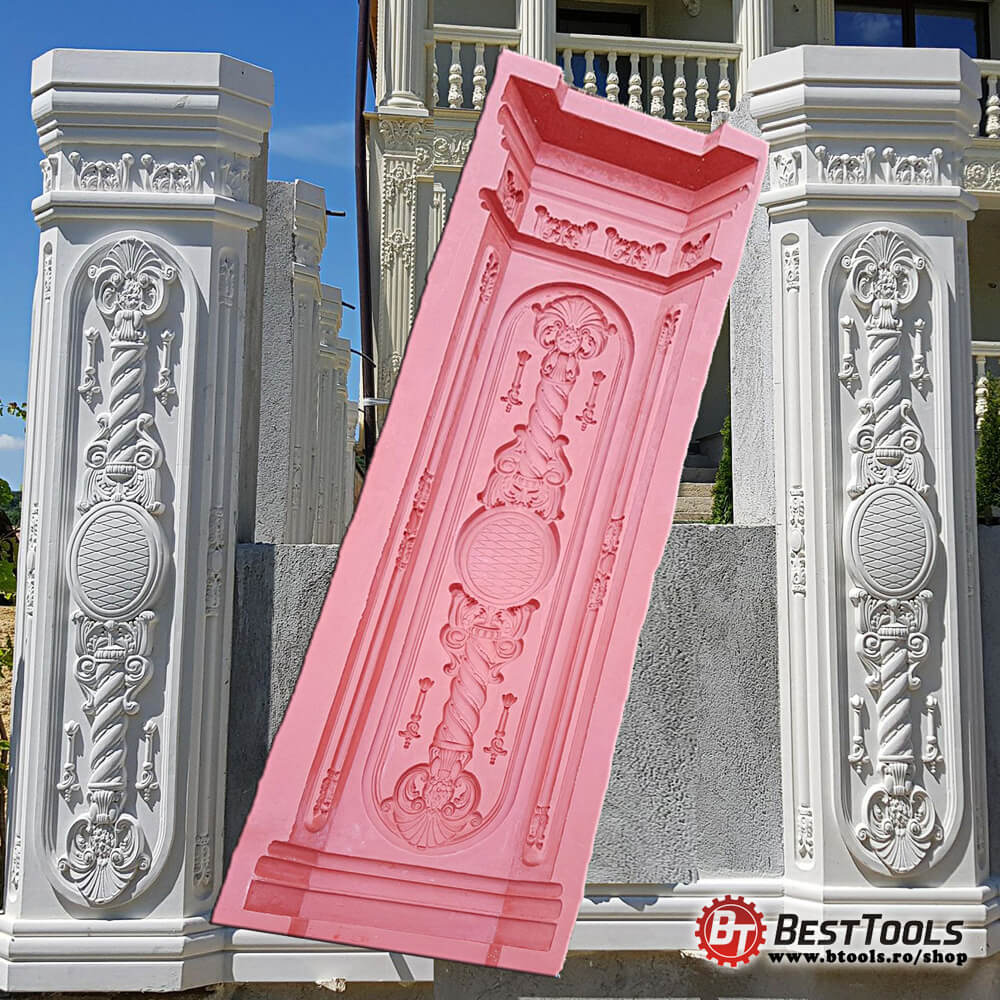
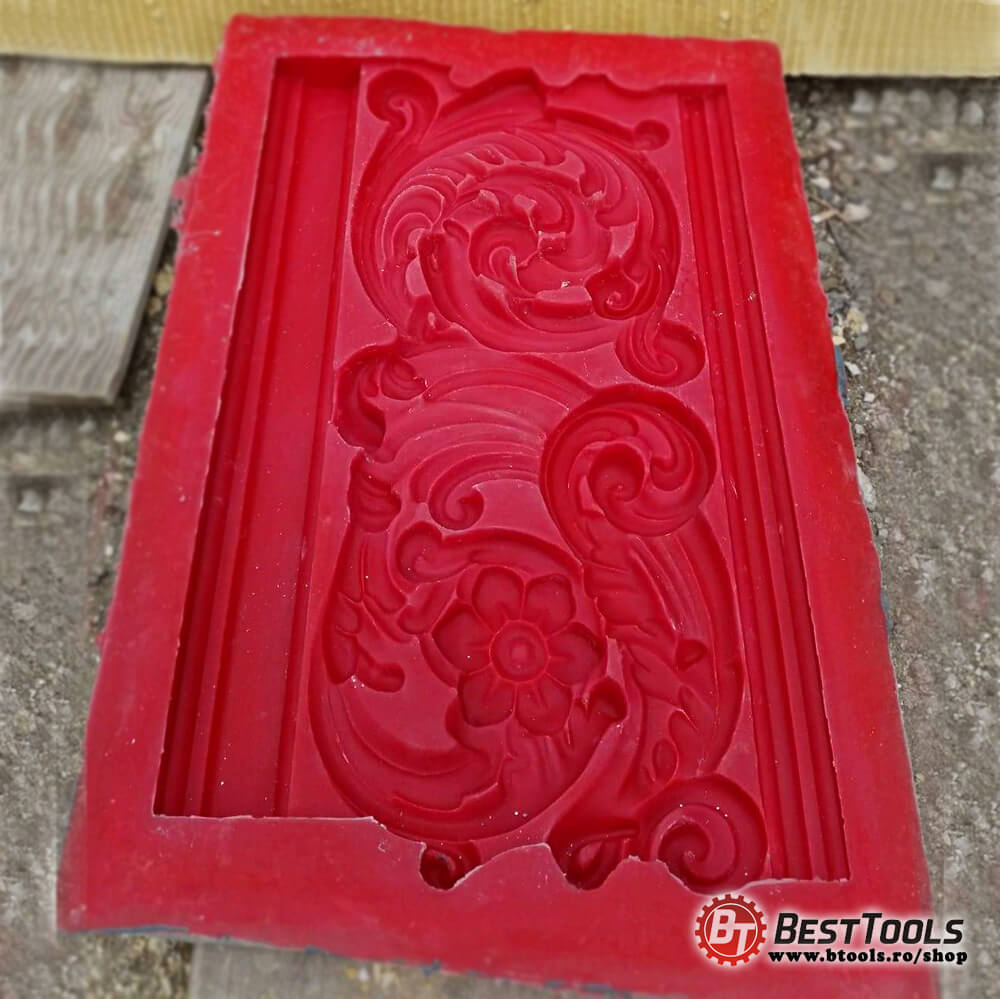
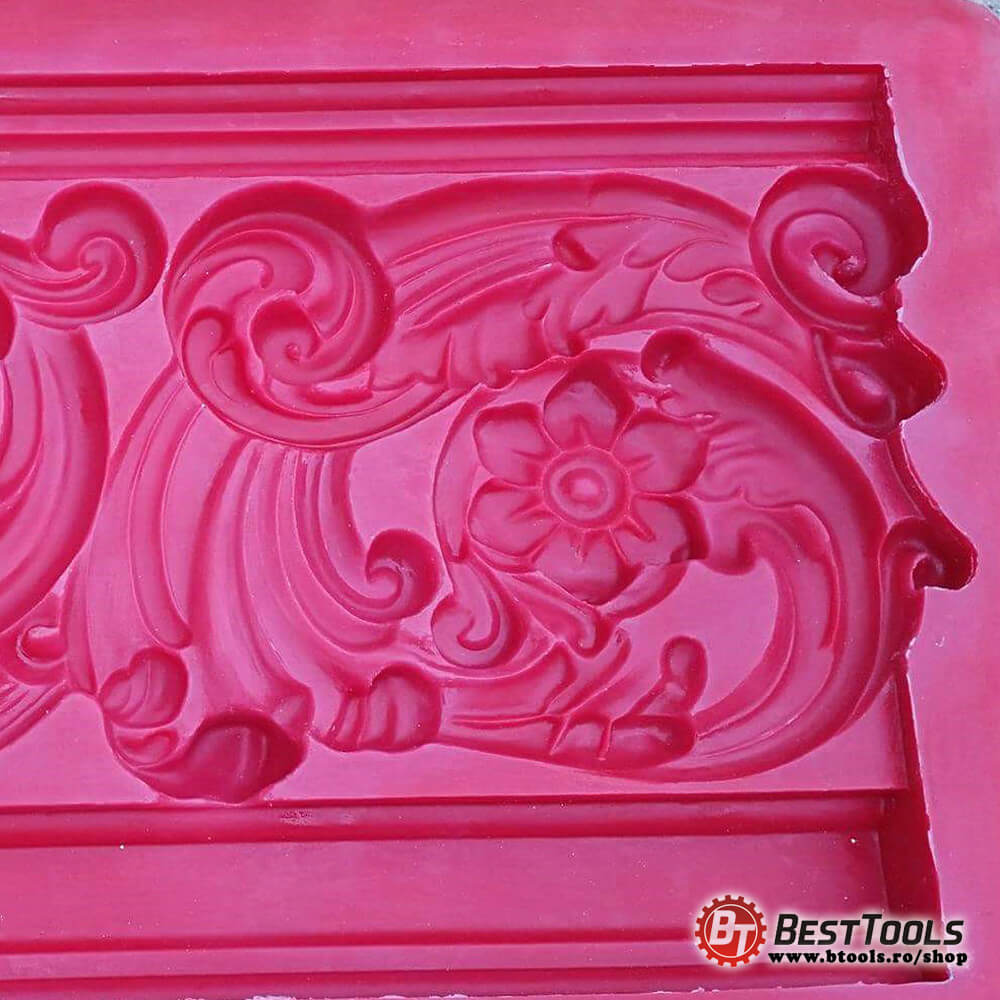
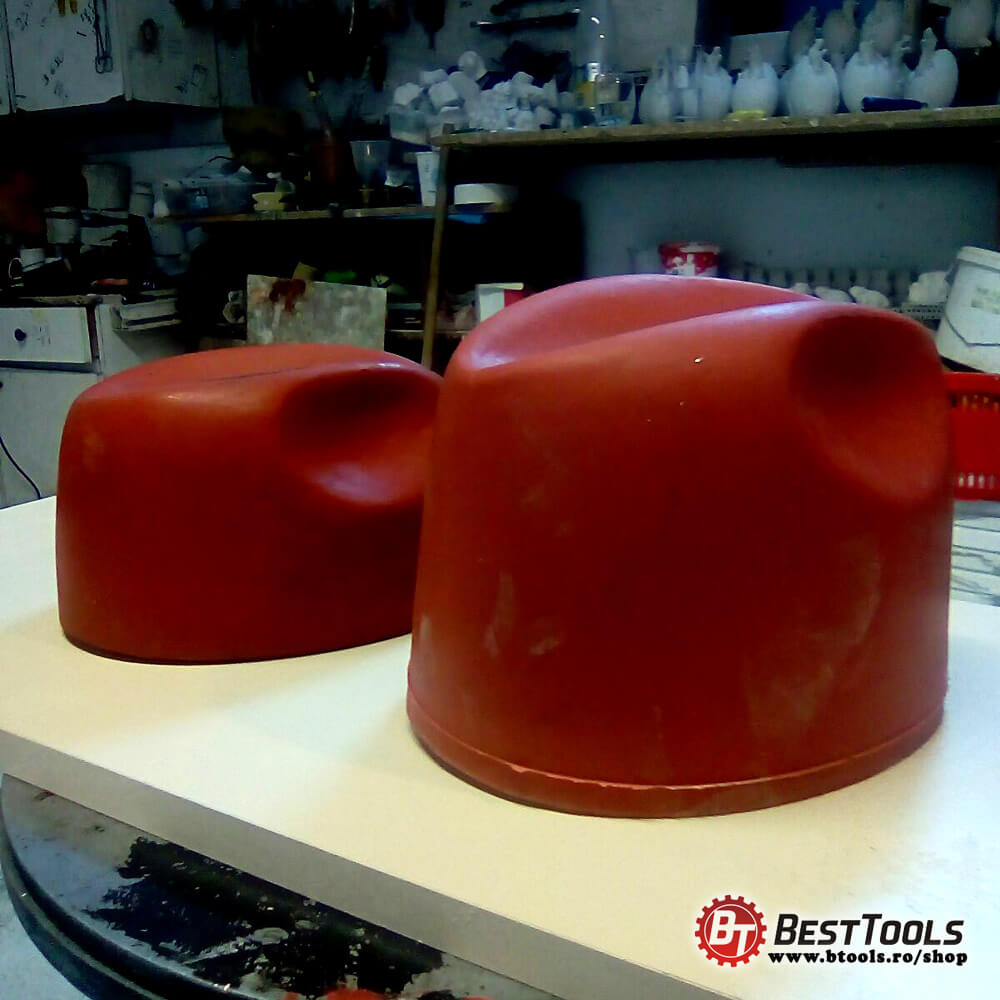
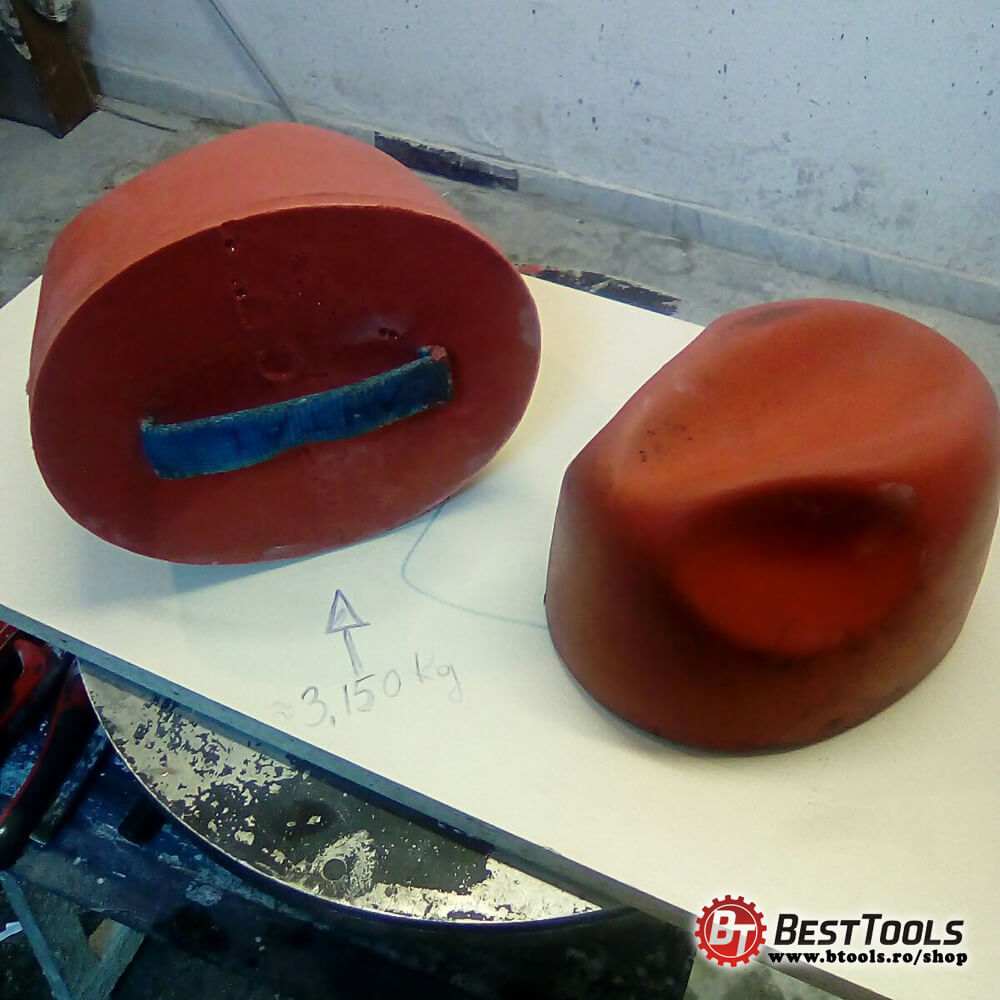
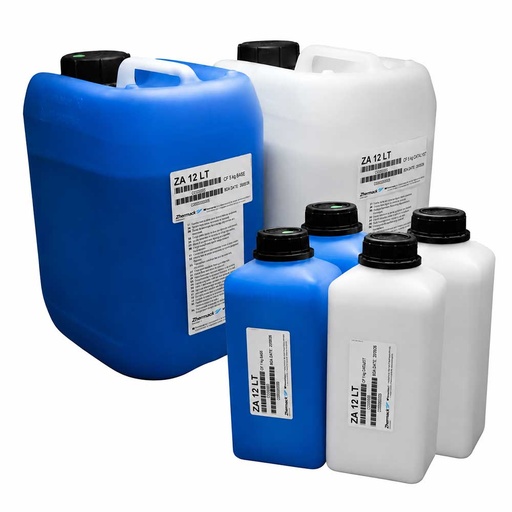
HT 33 RED Zhermack is a two-component silicone rubber RTV2, with vulcanization by addition, designed to make flexible moulds and reproduce models. The system consists of two components, BASE and CATALYST, which are mixed in the ratio 1:1 And it vulcanizes at ambient temperature.
The RED variant is distinguished by red silicone. From a practical point of view, this colour can provide a better visual contrast in certain work processes, when the operator wants to observe the surface of the silicone more easily, the coating of the model or the transfer of a material on its surface.
Recommended applications
According to Zhermack technical documentation, HT 33 RED is recommended mainly for:
making flexible moulds;
model-making and duplication of models;
jewelleryincluding the making of the molds used for duplicating master wax models.
In practice, the red color can represent an additional advantage in processes where the contrast between silicone and model or between silicone and transferred material should be observed easily by the operator.
Practical advantages
Mixing ratio 1: 1 - BASE and CATALYST weigh in equal amounts.
High fluidity - Facilitates the casting and penetration of material in model details.
Reproduction of up to 2 micronsZhermack technical file.
High dimensional stability - declared variation of -0.05% after 24 hours.
Good mechanical strength - important for the moulds subject to repeated manipulation.
contrasting red color - can improve visibility in certain operations of application, inspection or transfer.
Wide range of temperature after vulcanisation - from -40 ° C to + 200 ° C
Main technical characteristics
Type: silicone RTV2 two-component, with added vulcanization
Color: red
BASE mixing ratio: CATALYST: 1:1
Vascosity of the mixture: 7000- 8000 cP
Mixing time at 23 ° C: about 1 minute
Working time at 23 ° C: 20-22 minutes
curing time at 23 ° C: approximately 180 minutes
hard after 24 hours: 33 ± 2 Shore A
Traction resistance: 4.7 N / mm ²
Landing at break: 430%
Relapse resistance: 16 ± 2 N / mm
Reproduction of details: 2 microns
Dimensional variation after 24 hours: -0,05%
Temperature range declared for silicone: -40 ° C to + 200 ° C
Working time and vulcanization
At temperature of 23°C, declared working time for HT 33 RED is approximately 20-22 minutes, and the curing time is about 180 minutescalculated from the beginning of mixing.
Temperature influences these times. At temperatures above 23 ° C, working time and curing time shall be reduced. At temperatures below 23 ° C, both times increase considerably.
Completing a multi-step mould
If the first amount of prepared silicone is not sufficient to complete the mould, it can be allowed to strengthen, then the additional amount required can be added. According to Zhermack documentation for HT 33 RED, the additional material adheres to the silicone already hardened without altering the final result.
Compatibility
HT 33 RED technical chart mentions silicone compatibility with gypsum, coatings, polyurethane resins and acrylic resins.
For specific applications, unusual materials or sensitive industrial processes, it is recommended to perform a preliminary test on a small area prior to the final mould.
Best TOOLS Recommendations
For reproducible results, weigh precisely the two components and respect ratio 1: 1. Prepare the model and containers before mixing, so that the 20-22 minutes available for work at 23 ° C can be used efficiently.
If the choice is made between HT 33 RED and HT 33 Transparent, consider and visibility required in the process. The RED variant can be easier to visually track when applying by brushing, handling the mould or in processes where contrast is useful. Transparent can be preferred when visibility through the Silicone mass helps the operator.
Complementary products useful for processing HT 33 RED:
precision scale - for correct dosing of components in ratio 1: 1;
mixed containers - for controlled preparation of silicone;
Mixture spatula - for mixing BASE and CATALYST;
Vacuum equipment - to degas the mixture,
Sulphur-free modeling plastic - for the construction of certain moulds and the preparation of models, when the chosen process requires this material.
Common questions about HT 33 RED
Conclusion
HT 33 RED Zhermack is an RTV2 silicone of addition, fluid and two-component, with hardness of 33 ± 2 Shore A, intended mainly for the manufacture of moulds, modeling-making and jewelry applications. The red color adds a practical advantage in the processes in which the visual contrast helps the operator to watch the application, the surface of the mould or the transferred material more easily.
Preparation and use
Before use, both components must be homogenised separately. BASE and CATALYST are then weighed in equal quantities, respecting the mixing ratio 1: 1.
The two components are inserted into a clean and dry container and mix vigorously until the material becomes completely homogeneous. During mixing, the material on the bottom and walls of the container must be fully incorporated.
After mixing, the silicone can be poured over the model. Manufacturer recommends casting from a height of approximately 30 cm.
For reducing air bubbles in the mixture, Zhermack recommends release under vacuum Before casting.
Important limitations and recommendations
Respect the mixing ratio 1:1 for maintaining the final times and characteristics of silicone.
Mix the two components separately before dosing.
The containers and surfaces that come into contact with the material must be clean, dry and fat-free.
Vacuum degassing is recommended to reduce air inclusion.
After vulcanisation, compressed air can be used to facilitate the separation of the mould model.
Do not force demoulding with sharp objects that can damage or deform the mould.
Check the safety data sheet before handling the product.
Storage and term of validity
HT 33 RED has a stated shelf life of manufacturer 18 monthsif stored correctly at temperatures between 5 ° C and 27 ° C.
After use, the containers should be properly closed. Do not reverse the caps of BASE and CATALYST containersto avoid contamination of the two components.
Preparation and application
Mix the base and catalyst separately until uniform before weighing. The model must be clean, dry and free of grease; substances containing sulphur may inhibit curing.
Weigh equal amounts: 100 parts base and 100 parts catalyst. Do not alter the catalyst quantity to speed up or slow down curing.
Mix thoroughly until uniform, including the sides and bottom of the container. Avoid leaving any unmixed areas.
Pour in a thin stream into one corner of the mould and allow the material to cover the model gradually. The data sheet recommends vacuum degassing to reduce bubbles.
Observe the product-specific times and the temperatures at which they are specified. Demould after curing without forcing the mould or using sharp objects.
Close containers tightly after use and do not swap the base and catalyst lids.
Consult the safety data sheet and batch label before use.
Frequently asked questions
What is HT 33 RED?
HT 33 RED is a addition, two-component and pourable RTV2 siliconewith final hardness of 33 ± 2 Shore A. Before vulcanization, the material has a high fluidity, useful for reproducing patterns and filling the mould geometry.
After vulcanization a flexible elastomer is obtained with high mechanical strength, good dimensional stability and reproductive capacity of very fine details.
Why choose RED instead of Transparent?
The choice between HT 33 RED and HT 33 Transparent may depend on how the user wants to view the material during the process.
HT 33 RED can be preferred when the red color offers a better visual contrast to the model, piece or material with which the silicone comes into contact.
La apply by brushingThe red color can help the operator to observe the covered areas more easily and the continuity of the applied layer.
In certain applications tampographyThe color of the tampon can facilitate visual observation of the transferred material on its surface.
Some industrial users prefer the red version for easier identification of the mould or for continuity of an already standardised production process.
HT 33 Transparent can be preferred in processes where Silicone visibility is useful, for example in certain operations of injection or positioning of the marks.
These differences of use relate to the practical advantage of color and the operator's way of working. The specific technical characteristics mentioned in the technical chart of each product must be taken into account in choosing the appropriate variant.
What is the main difference between HT 33 RED and HT 33 Transparent?
The most obvious difference for the user is color. HT 33 RED offers a pronounced visual contrast, while Transparent allows visibility through Silicone mass. The exact technical characteristics must be checked separately for each variant in the corresponding technical file.
What's the mixing ratio?
BASE and CATALYST mixed in the ratio 1:1In equal quantities.
How long can I work with HT 33 RED after mixing?
At 23 ° C, the declared working time is approximately 20-22 minutes.
How long before it hardens?
At 23 ° C, the declared curing time of the manufacturer is approximately 180 minutes.
How hard is he after vulcanization?
After 24 hours, the declared hardness is 33 ± 2 Shore A.
Why can red be useful when applying by brushing?
The red color can provide a better contrast to the model, allowing the operator to easily observe the areas already covered and the continuity of the applied layer.
Is degas recommended under vacuum?
The manufacturer recommends using the vacuum to reduce air bubbles in the mixture.
What is the declared operating temperature?
Technical chart indicates a temperature range from -40 ° C to + 200 ° C.
What is the mixing ratio?
Base : catalyst ratio (by weight): 100 : 100.
How much working time is available?
Working time at 23 °C: 20–22 minutes.
How long does curing or demoulding take?
Curing time at 23 °C: 3 hours.
What is the material's hardness?
Hardness after 24 hours: 33 ± 2 Shore A.
Recenzii
5.0 / 57 reviews
|Zoltan Kristo|
Sunt foarte multumit.Piesa a iesit dupa turnare de calitate foarte buna.
|Valentin Chifan|
Un produs foarte bun in realizarea matritelor si rezistent la temperaturi ridicate
|Ileana Mariana Mates|
Produs excelent! L- am si utilizat. Vă mulțumesc pentru promptitudine si calitatea produsului!
|Norby|
Cumparam acest produs de foarte mult timp pentru turnarea in matrita a garniturilor folosite industrial.
Se lucreaza usor, curat, cu rezultate excelente!
|Daniel Apostu|
Produse de foarte buna calitate! Recomand!
|Doru Matei|
Proprietati exceptionale pentru realizarea matritelor cu utilizare intensa si cu siguranta nu numai.
|Achim Ionela Gabriela|
Este un produs foarte bun...dar pe zi ce trece mai scump...nu știu cât vom putea continua achiziția acestui produs mai ales ca pe viitor vom avea nevoie de câteva sute de litri pe an.
Folosim module strict necesare pentru funcționarea magazinului. Cu acordul tău, putem activa și funcții suplimentare, măsurarea audienței și marketingul.